
Traffic, trains, barking dogs, lawn mowers, and nearby building work can make a home feel less peaceful. If you hear every car or late-night conversation through the glass, you may be wondering if soundproof windows really work.
Yes, the right windows can make a clear difference. They will not block every sound or make a room fully silent. Still, they can turn loud outdoor noise into a softer sound that is much easier to live with. The best results come from the full window: the glass, the space between the panes, the frame, the seals, and the way the window is installed.
How Much Noise Can Better Windows Reduce?
Window noise ratings can be confusing because they are not the same as the number on a sound meter.
Here is the simple version:
- Around 30 decibels: A quiet room or soft whisper
- Around 60 decibels: A normal conversation
- Around 70 to 85 decibels: Traffic, depending on the road and your distance from it
- About a 3-decibel drop: A small change most people can notice
- About a 10-decibel drop: Often sounds roughly half as loud
Windows also receive a lab score that shows how well the full window blocks outdoor noise. This is sometimes called an outdoor-noise rating. A higher score means better noise control.
In one Canadian test, a common double-pane window received a rating of about 22. This means it reduced the test noise by roughly 22 decibels under lab conditions. It does not mean every home will get exactly the same reduction.
Another test started with a window rated at 23. Adding a tightly fitted storm window raised its rating to 30. That seven-point increase would be easy for most people to notice.
These scores are helpful for comparing products, but they do not tell you exactly how quiet your room will be. The result also depends on the noise outside, the walls and doors, and how carefully the window is installed and sealed. Ask for the outdoor-noise rating of the complete window, not just the glass.
Thicker Glass Can Block More Sound
Sound makes glass shake. Thin glass can be easier for sound to move through. Thicker, heavier glass is harder to shake, so it can help keep more noise outside. This is one reason soundproof windows often use more than basic glass.
Two panes with different thicknesses may work better than two matching panes. Each thickness reacts to sound in a different way. That helps the window handle more kinds of noise, from higher-pitched voices to lower road sounds.
Another choice is laminated glass. It has a clear layer held between two pieces of glass. That middle layer helps calm the movement caused by sound. It can be a good option in rooms that face a busy road. However, glass is only one part of soundproof windows. A strong glass package will not help much if sound can slip around the frame.

Double-Pane or Triple-Pane: Which Is Quieter?
Many people think triple pane windows must always be quieter than double-pane windows. That is not always true. The number of panes matters, but so do their thickness, the space between them, and how the whole window is built.
A well-planned double-pane window may reduce more noise than a basic triple-pane window. A triple-pane model may still be the better choice when it offers the right mix of glass, spacing, seals, and energy savings. The goal is not to buy the window with the most glass. The goal is to choose the window that fits the sound problem at your home.
When you compare noise reducing windows, ask what was tested and whether the score is for the complete window. A clear answer is more useful than a simple claim that more panes always mean more quiet. If your main goal is to reduce traffic noise indoors, say that at the start of the visit.
Frames and Seals Are Just as Important
Sound can squeeze through very small gaps. Worn weatherstripping, loose locks, and spaces around the frame can let in both air and noise. That means new glass alone may not solve the problem.
A well-made frame helps the window stay firm. Good locks pull the moving part of the window tightly against the weatherstripping. Casement and awning windows often seal well because their locks press the window shut. The best style will still depend on where the window is placed and how you want it to open.
When looking for quiet windows for homes, check how the full unit closes and seals. Open and lock a sample if you can. It should feel firm, smooth, and snug. A window that closes tightly gives outside sound fewer places to get through.
Good Installation Protects Your Investment
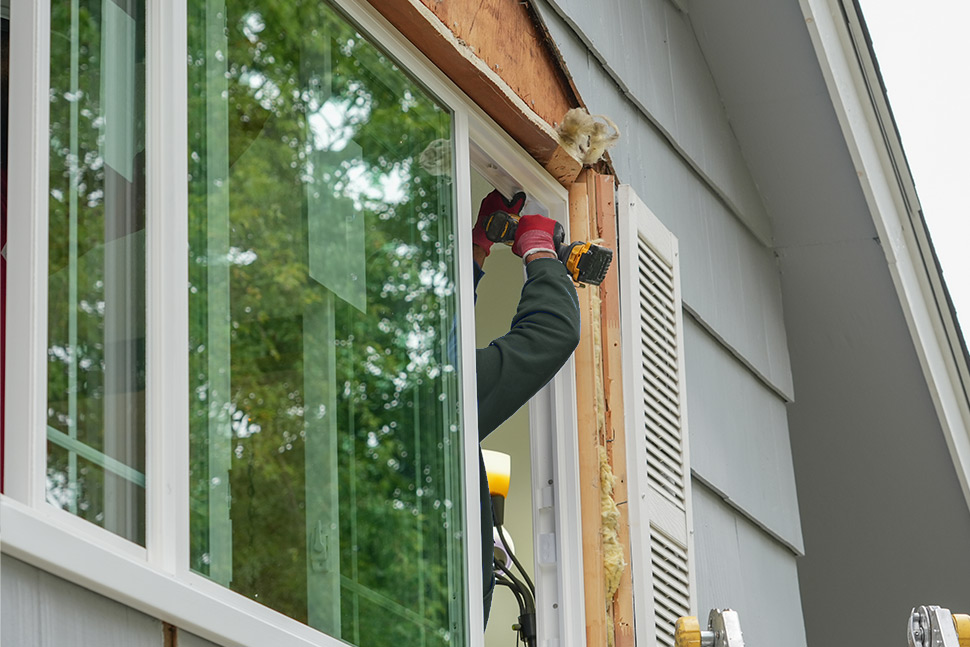
Even a great window can disappoint if it is not installed well. The opening must be measured with care. The space around the new frame must be filled and sealed so sound cannot travel around it.
Professional window installation Fraser Valley homeowners can trust should include a close look at the whole opening. The installer may find old damage, weak seals, or gaps that need to be fixed before the job is complete. Careful work on the inside and outside helps keep out drafts, water, and noise.
Other parts of the room can also let sound in. After soundproof windows are installed, you may notice noise coming through a door, wall, vent, or attic area. A good installer will set fair expectations and point out other weak spots instead of promising total silence.
How to Choose the Right Windows for Your Home
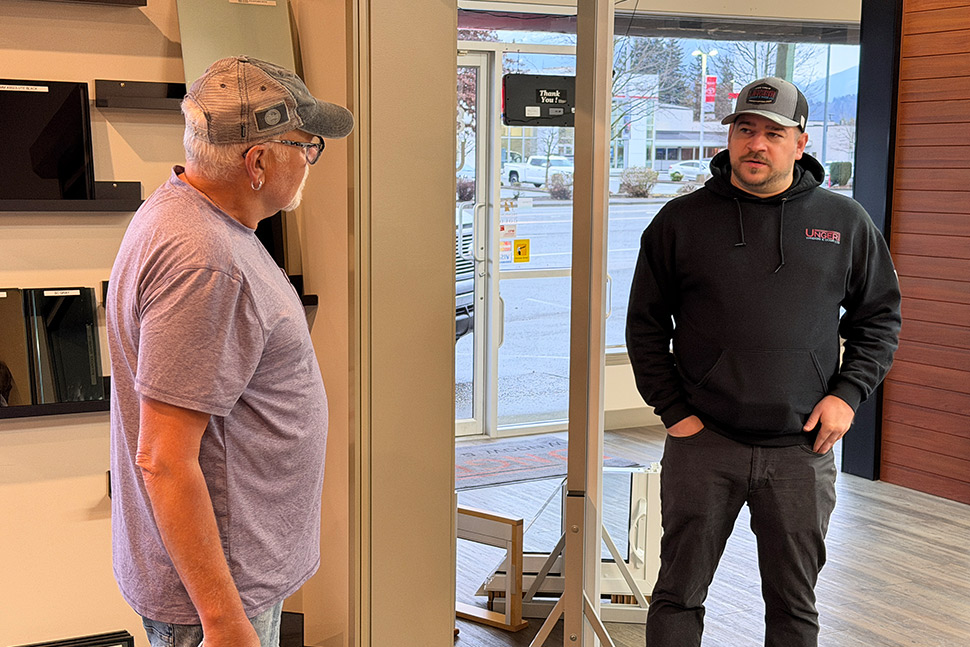
Start by thinking about the noise you want to reduce. Is it steady road noise, sharp braking, a train, nearby voices, or weekend yard work? Write down when it is worst and which rooms are most affected. Bedrooms may need more help than a hallway or laundry room.
Next, tell your window professional what matters most to you. You may need to balance quiet with fresh air, energy savings, style, and budget. For replacement windows Chilliwack homeowners should ask a few simple questions:
- Was the whole window tested for outdoor noise?
- Would thicker or laminated glass help with my type of noise?
- Would double-pane or triple-pane glass be the better fit here?
- How will the frame and the space around it be sealed?
- What level of change is fair to expect in this room?
These questions make it easier to compare soundproof windows without getting lost in product terms. They also help you avoid paying for a feature that may not solve the noise you hear most. The best soundproof windows are the ones chosen for your home, not a sales display.
A Quieter Home Starts With the Right Plan
So, do soundproof windows reduce outside noise? Yes. The right setup can make traffic and neighbourhood sounds much less distracting. The strongest results come from thicker or mixed glass, the right space between panes, a solid frame, tight seals, and careful installation.
No window can stop every sound, and results will vary from one home to another. That is why it helps to start with an in-home look instead of choosing by pane count alone.
If noise is hurting your sleep, interrupting conversations, or making it hard to relax, Unger Window & Door can help. We can look at the windows, listen to your concerns, and explain your choices in plain language. With the right soundproof windows, your Fraser Valley home can feel calmer, more comfortable, and easier to enjoy.