The Average Lifespan of Replacement Windows
Generally speaking, modern replacement windows are designed to last for decades.
Most quality vinyl replacement windows have an expected lifespan of around 20 to 40 years, while fiberglass windows can often perform well for 40 years or more. Wood windows vary depending on maintenance, and aluminum windows typically fall somewhere in between.
That’s encouraging, but it’s important to remember that these are averages, not guarantees.
If you’ve been searching online for how long replacement windows last, you’ve probably noticed that those numbers vary quite a bit. That’s because manufacturers are estimating how long their products should perform under ideal conditions. Real life isn’t always ideal.
Every home is different. A window facing the afternoon sun every day experiences different conditions than one protected by large trees. A home exposed to heavy rain and strong winds throughout the Fraser Valley will place different demands on its windows than one in a more sheltered location.
Most importantly, even the highest-quality window can’t perform the way it was designed if it wasn’t installed correctly in the first place.
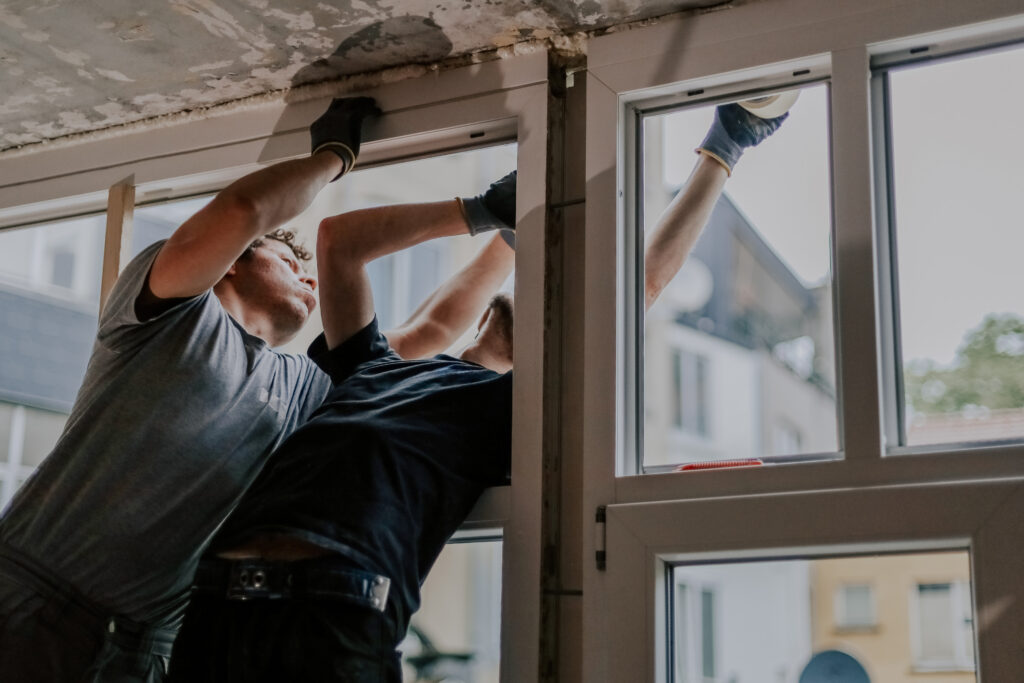
Installation Matters Just as Much as the Window Itself
Many homeowners spend hours comparing window brands but never ask about the installation process.
Ironically, installation is often what determines how long replacement windows last.
Even an excellent window can develop problems if it’s installed improperly. Air leaks, moisture intrusion, poor insulation, and premature wear often aren’t caused by the window itself. They’re caused by shortcuts taken during installation.
Proper flashing, sealing, waterproofing, insulation, and careful attention to detail all work together to protect your home long after the installation crew has packed up their tools.
The challenge is that most of those details are hidden behind trim and drywall once the project is complete. You can’t easily see whether they’re done correctly, but you’ll certainly notice if they weren’t.
That’s one reason homeowners sometimes assume their windows have reached the end of their lifespan when, in reality, the problem may have started on installation day.
At Unger Window & Door, we believe homeowners deserve to understand what’s happening behind the scenes. We document our work, explain our recommendations, and focus on doing the job properly the first time because that’s what helps replacement windows perform the way they’re supposed to for years to come.
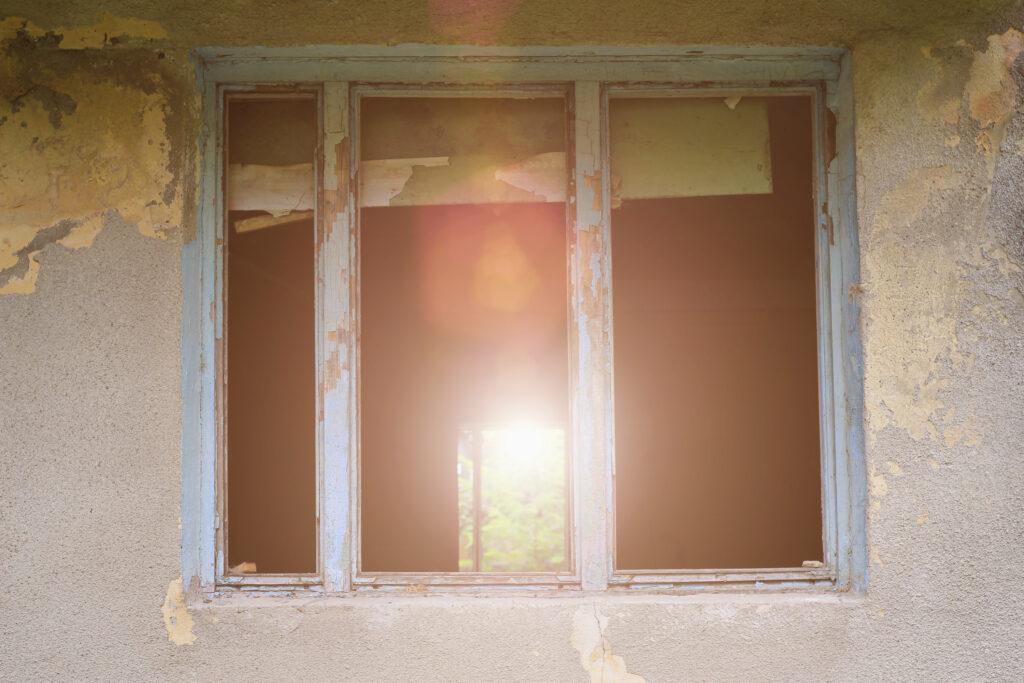
Signs Your Windows May Be Reaching the End of Their Life
Age isn’t the only indicator that it’s time to consider replacement.
If you’re wondering how long do replacement windows last because you’ve started noticing changes around your home, it’s worth paying attention to the symptoms rather than the calendar.
Drafts are often one of the first signs homeowners notice. If your home feels colder near the windows during the winter or warmer during the summer, failing seals or aging components could be allowing outside air to enter.
Condensation trapped between panes of glass is another common indicator. Unlike moisture that forms on the inside of your windows during particularly cold weather, condensation between the panes usually means the insulated glass unit has lost its seal.
Windows that become difficult to open or close can also signal that components have worn out over time. Hardware wears down, frames shift slightly as homes settle, and moving parts simply experience years of use.
You may also notice rising utility bills. While higher energy costs can have several causes, aging or inefficient windows often contribute by allowing heated or cooled air to escape.
Outside noise becoming more noticeable, visible water damage around the frame, rotting wood, or cracked frames can all point toward windows that are no longer performing as they should.
None of these issues automatically mean your windows need to be replaced. In many cases, repairs may still be the most practical solution.
However, they’re all good reasons to have your windows professionally evaluated before small problems become much larger ones.
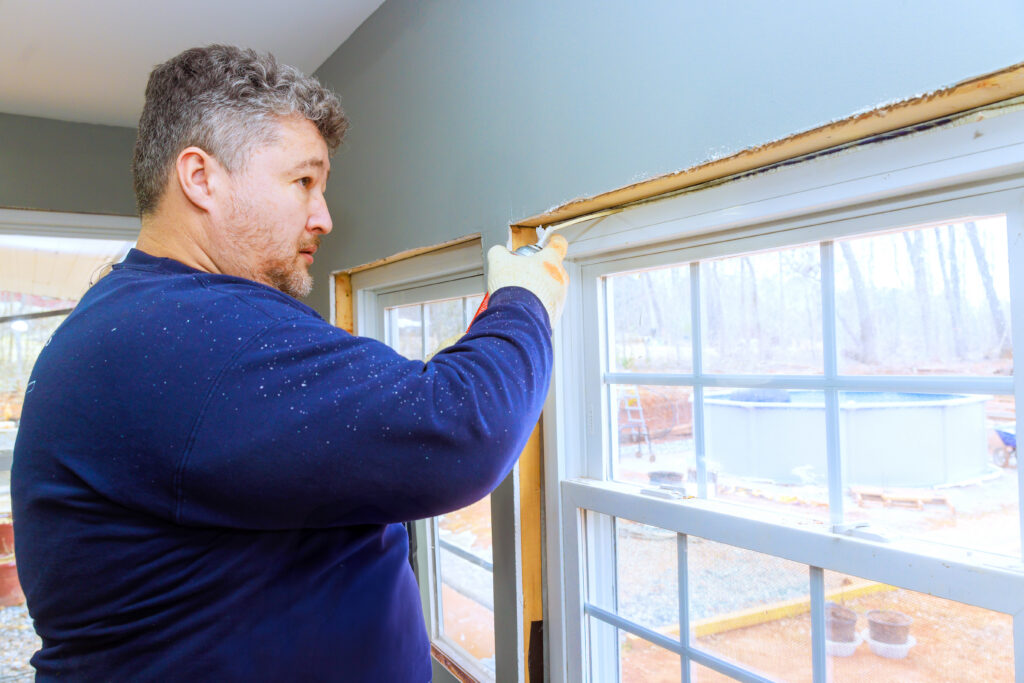
Can Older Windows Be Repaired Instead of Replaced?
This is where the conversation becomes a little more nuanced.
One of the reasons homeowners ask, “How long do replacement windows last?” is because they’re hoping they can avoid replacing them altogether. That’s understandable. If a repair can safely extend the life of your existing windows, it’s often worth exploring.
The good news is that not every window problem requires a full replacement.
Broken hardware, worn weatherstripping, damaged balances, cracked glass, and even fogged insulated glass units can often be repaired without replacing the entire window. If the frame is still structurally sound and the window was installed correctly, repairs can restore function and improve comfort for years.
On the other hand, repairs become less practical when multiple issues begin appearing at the same time.
For example, if several windows have failed seals, the frames are beginning to deteriorate, drafts are becoming more noticeable, and energy bills continue climbing, replacing one component at a time often becomes more expensive than addressing the underlying problem.
That’s why a trustworthy contractor won’t immediately recommend replacement. They’ll evaluate the condition of your windows, explain what’s happening, and help you understand whether a repair is a long-term solution or simply delaying the inevitable.
Sometimes the right answer is repair.
Sometimes replacement is the smarter investment.
The important thing is understanding why.
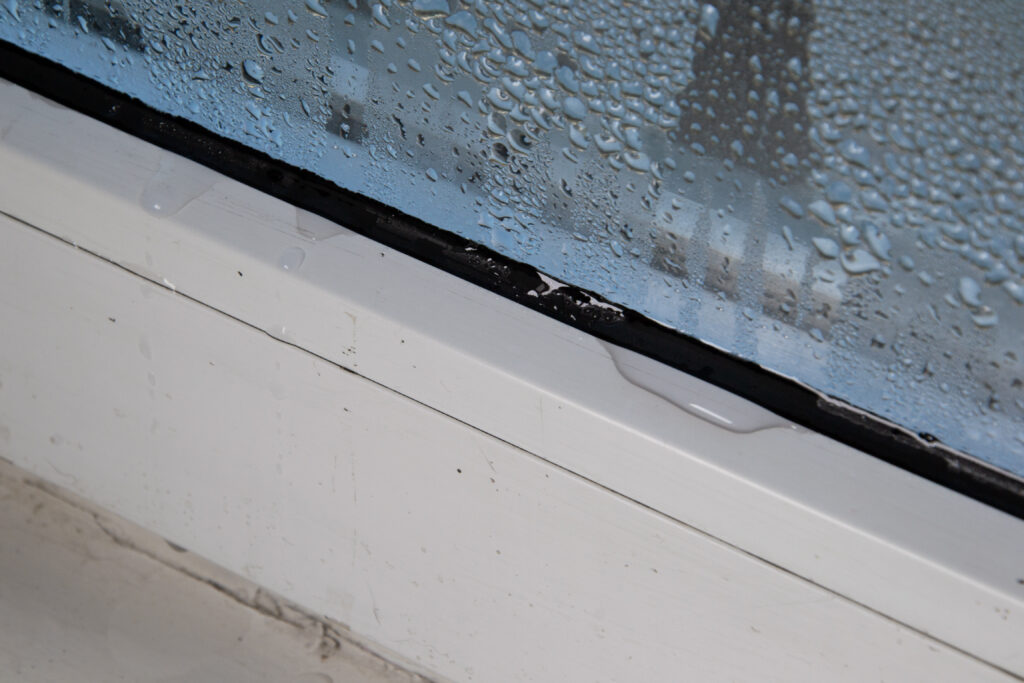
Should You Wait Until Your Windows Completely Fail?
Many homeowners assume the best financial strategy is to squeeze every last year out of their existing windows.
When you’re considering how long do replacement windows last because your current windows are “still okay,” it’s worth questioning what “okay” actually means.
Windows don’t usually fail overnight. Their performance gradually declines over time. A small draft becomes a larger one. A window that sticks once in a while becomes difficult to open every day. Minor moisture intrusion slowly causes damage you can’t see inside the wall.
Waiting until windows completely fail can sometimes create bigger problems than replacing them a little earlier.
Water infiltration can damage insulation, framing, drywall, and flooring. Older windows can force your heating and cooling system to work harder, increasing your utility costs month after month. Emergency replacements also tend to be more stressful because you’re making a major purchasing decision under pressure instead of on your own timeline.
That doesn’t mean every older window should automatically be replaced. It simply means that evaluating their condition before they reach the point of failure gives you more options and more control over the process.
How to Help Your New Windows Last as Long as Possible
If you’re investing in replacement windows, you naturally want to maximize their lifespan.
Fortunately, there are a few simple habits that can help.
Keep tracks clean so windows operate smoothly. Inspect weatherstripping periodically for wear. Clean frames according to the manufacturer’s recommendations, and address any small issues before they become larger ones.
Perhaps most importantly, choose quality products and a company that takes installation seriously.
Homeowners often spend weeks comparing brands, glass packages, colours, and styles, but the quality of the installation has just as much influence on how long replacement windows last. Proper preparation, careful installation, quality materials, and attention to detail all contribute to long-term performance.
Those aren’t the most exciting parts of a window replacement project, but they’re often the difference between windows that perform beautifully for decades and windows that begin causing problems much sooner than expected.
So… How Long Do Replacement Windows Last?
For most quality products, you can reasonably expect 20 to 40 years or more. Some will last even longer.
But the real answer depends on several factors working together:
- The quality of the window itself.
- The quality of the installation.
- Your home’s exposure to weather.
- Ongoing maintenance.
- Addressing small problems before they become major ones.
A well-made window that’s properly installed and cared for can provide decades of comfort, energy efficiency, and reliable performance. A poorly installed window may begin developing issues much sooner, regardless of the brand.
That’s why focusing only on the product misses half the equation.
Wondering About the Windows in Your Home?
If you’re asking yourself, “How long do replacement windows last?” because you’re noticing drafts, condensation, rising utility bills, or windows that simply don’t operate like they used to, you don’t have to guess.
At Unger Window & Door, we believe homeowners deserve honest advice, not sales pressure. Sometimes that means recommending a repair. Sometimes replacement truly is the better long-term investment.
Either way, we’ll explain what we’re seeing, answer your questions, and help you make the decision that’s right for your home.
Because the goal isn’t simply replacing windows.
It’s making sure your home performs the way it should for many years to come.
Not Sure Whether Your Windows Need Repair or Replacement?
Every home is different, and there isn’t a one-size-fits-all answer. If you’re noticing drafts, condensation, rising utility bills, or windows that simply aren’t performing like they used to, we’re here to help.
At Unger Window & Door, we’ll assess your windows, explain what we find, and give you honest recommendations based on what’s best for your home. Sometimes that’s a repair. Sometimes replacement is the smarter long-term investment. Either way, you’ll have the information you need to make a confident decision.