A window that sticks, fogs up, lets in a draft, or refuses to lock properly can be frustrating. It can leave you wondering whether you are facing a relatively simple repair, or the cost of replacing the entire window.
The answer is not always obvious. Some window problems can be corrected by replacing a small component. Others by adjusting the way the window sits in its frame. Other issues are signs that the window has reached the point where another repair would only delay the inevitable.
Making the right decision about window repair or replacement starts with understanding what is causing the problem. Once you know what you are dealing with, it becomes much easier to choose a solution that makes sense for your home and your budget.
Start With the Problem, Not the Solution
Homeowners often assume that a drafty window needs new weatherstripping or that condensation between the panes means the entire window must be replaced. Either assumption could be correct, but it could also overlook the real cause.
A window that is difficult to open might have worn hardware, poor alignment, a warped sash, or a damaged frame. Water near a window could be coming through failed caulking, improper flashing, or an issue elsewhere in the exterior wall. Even a cold area around a window may be caused by the window itself, its installation, or inadequate insulation surrounding the opening.
Before deciding on window repair or replacement, it is important to look at the complete window system. That includes the glass, hardware, seals, sash, frame, and the way the window was installed. Treating the most visible symptom without identifying its cause can lead to repairs that do not last or replacements that do not solve the original problem.
When a Window Repair May Be Enough
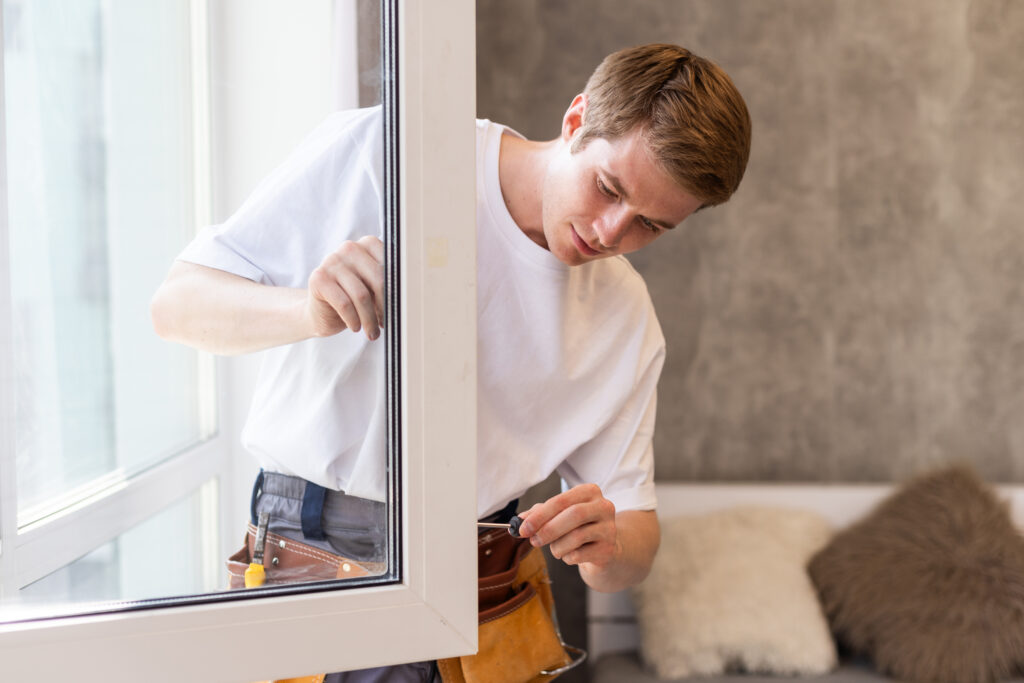
Not every troublesome window needs to be removed. If the frame and main window components are still in good condition, a targeted repair may be the best option.
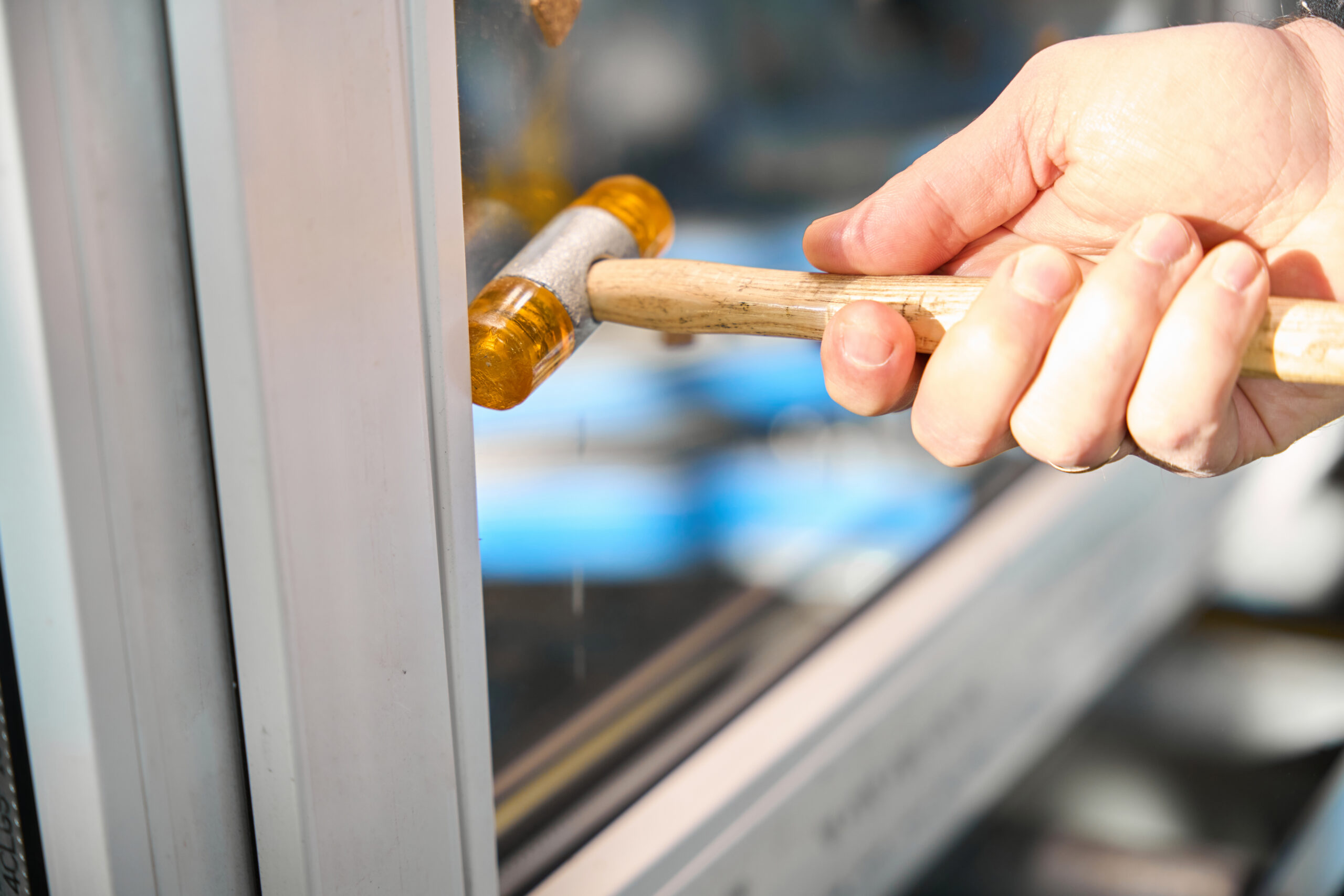
Worn hardware is one of the clearest examples. Locks, handles, hinges, rollers, and crank mechanisms can wear out after years of regular use. Replacing the damaged component may allow the window to open, close, and lock properly again without disturbing the rest of the unit.
Alignment problems can sometimes be corrected as well. A window may become harder to operate if the sash no longer sits properly in the frame or if the hardware has shifted. An adjustment may be enough when the surrounding materials are still solid and the window has not become permanently warped.
Weatherstripping and exterior caulking also deteriorate over time. Replacing these materials can reduce drafts and help prevent water from reaching vulnerable areas around the opening. However, new caulking should not be treated as a cure for every leak. If moisture is entering because of damaged flashing, frame deterioration, or a poor original installation, sealing the visible gap may only hide the issue temporarily.
These are the situations where window repair or replacement should be considered. It’s important to review the condition of the whole unit, rather than the inconvenience of one broken part.
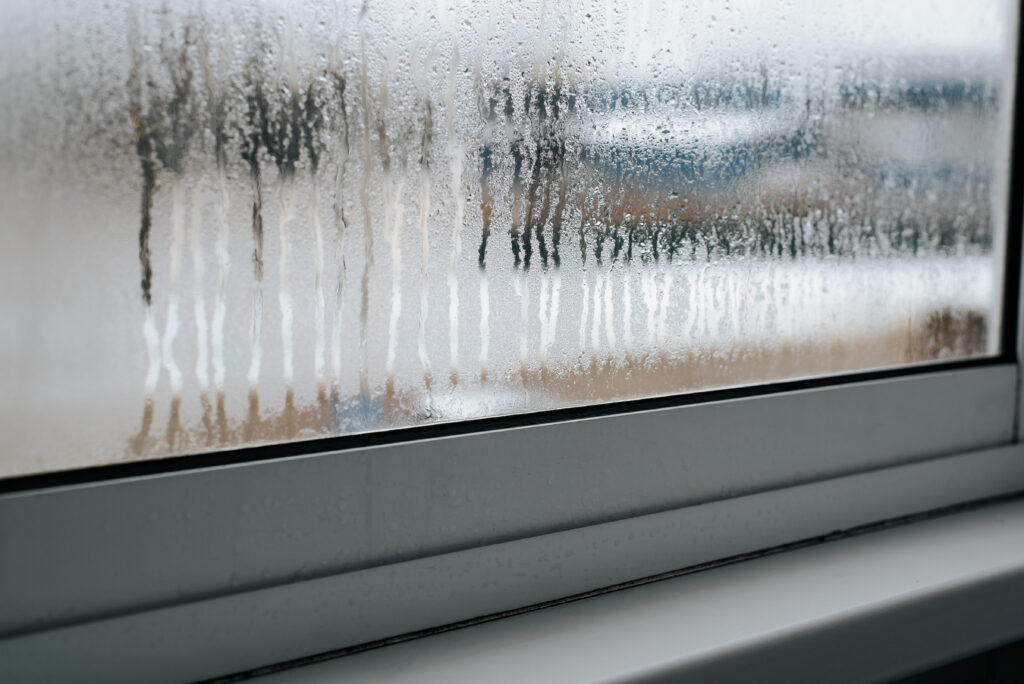
Does Foggy Glass Mean You Need a New Window?
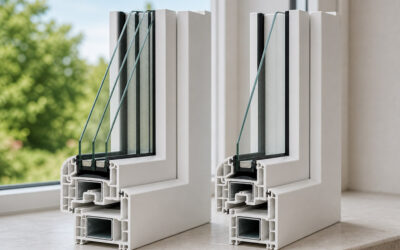
Condensation or a cloudy appearance between the panes usually means the seal around the insulated glass unit has failed. Once that happens, moisture can enter the space between the panes, and the glass can no longer perform as intended.
In some cases, the sealed glass unit can be replaced while the existing frame and sash remain in place. This can be a sensible repair when the rest of the window is in good condition. Replacing the glass can improve visibility and restore the insulating value of that part of the window.
Glass replacement does have limitations. It will not correct a warped frame, damaged hardware, recurring water infiltration, or an outdated window that already performs poorly. If several parts of the window are failing at the same time, replacing the glass may not provide enough value.
Choosing window repair or replacement involves more than deciding whether the glass can be changed. You must also decide whether the window is worth saving.
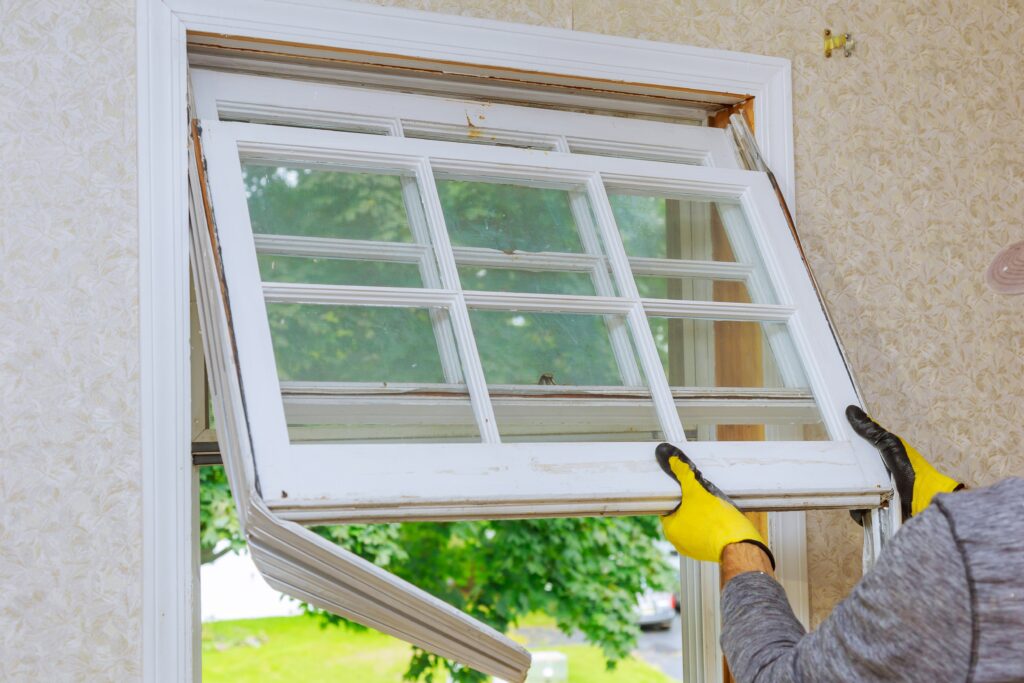
When Is It Better to Replace a Window?
Full replacement is generally the better long-term choice when deterioration affects the structure, operation, and performance of the entire window.
Rot, warping, or significant frame damage should be taken seriously. These problems can prevent the window from closing securely. This creates gaps that allow air and water to enter, and affects the materials surrounding the opening. Repairing hardware or replacing glass will not restore a frame that is no longer sound.
Several problems appearing together can also make replacement more practical. A window may have failed glass, worn hardware, persistent drafts, and visible deterioration around the frame. Each individual issue might have a possible repair. But paying for several repairs on an aging window may not be the best use of your budget.
Recurring moisture is another sign that a closer assessment is needed. Water entering around a window can damage drywall, insulation, framing, and finishes if the source is not corrected. Because leaks can come from the window, the installation, or another area of the exterior, the cause should be identified before moving forward with window repair or replacement.
Does the Age of the Window Matter?
There is no single age at which every window must be replaced. The lifespan of a window depends on its materials, quality, installation, exposure to weather, and maintenance over the years.
An older window that still operates properly, remains dry, and keeps the home comfortable may not need immediate replacement. On the other hand, age becomes an important factor when repairs are becoming frequent or several windows are developing similar problems.
Homeowners wondering when to replace windows should consider whether the issue is isolated or part of an ongoing pattern. Repairing one broken lock on an otherwise dependable window may be a simple window repair. That is very different from repairing fogged glass, damaged seals, and failing hardware. These ongoing problems may indicate that replacement is the better option.
A professional assessment can help you compare the likely lifespan of a repair with the longer-term benefits of replacement.

Consider the Long-Term Value, Not Only Today’s Cost
A repair will usually cost less than a complete replacement in the short term, but the lowest initial cost is not automatically the best value.
If a straightforward repair can provide several more years of reliable service, it may be the right choice. If it addresses only one part of a window that is continuing to deteriorate, it could lead to another service call and another expense sooner than expected.
When weighing window repair or replacement, consider the window’s age, overall condition, number of problems, expected repair life, and effect on the comfort of your home. It is also worth thinking about your future plans. A homeowner preparing to renovate or remain in the house for many years may evaluate the value of replacement differently from someone addressing a single minor issue.
The goal is not to replace every imperfect window. It is to avoid spending money on a temporary fix when the complete unit can no longer provide reliable performance.
Do You Have to Replace Every Window at Once?
Finding one window that needs replacement does not mean every window in the house must be changed at the same time. Windows experience different levels of sun, wind, rain, and daily use, so they may not all age at the same rate.
Some homeowners replace only the windows with serious problems. Others complete the work in stages, beginning with the rooms experiencing the most drafts, moisture, or comfort concerns. A professional can help you identify which windows need immediate attention, which ones may be repaired, and which ones can continue performing as they are.
Approaching window repair or replacement this way allows you to prioritize the work according to the actual condition of your home rather than making an all-or-nothing decision.
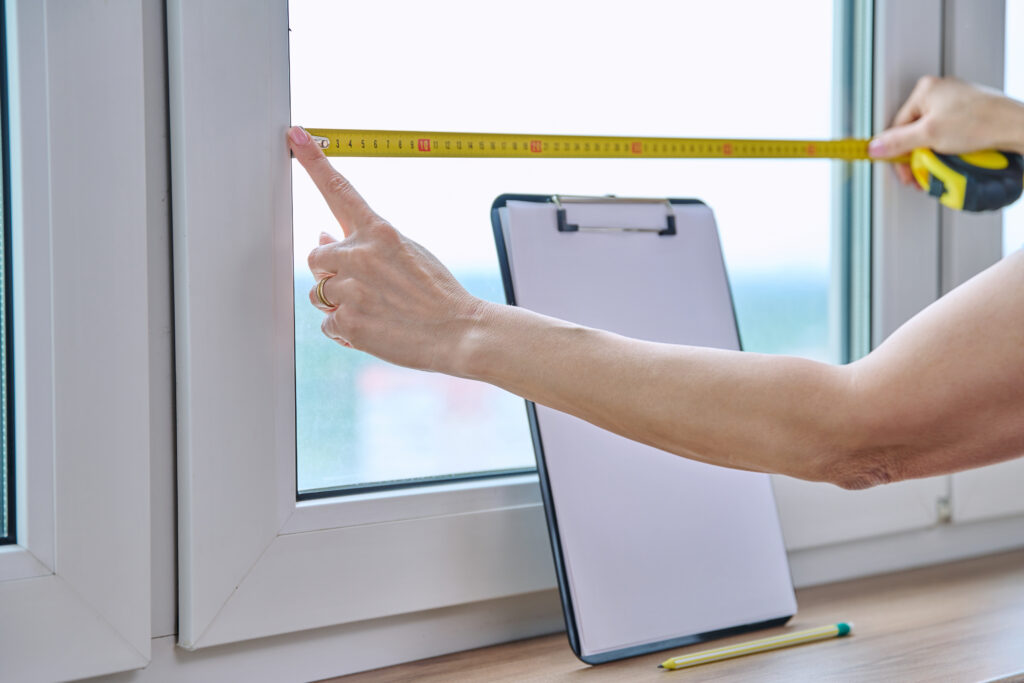
Why a Professional Assessment Matters
Many window problems look similar from inside the home. A failed glass seal, poor installation, deteriorated weatherstripping, or missing insulation can all contribute to discomfort. But they require different solutions.
A professional inspection should determine what has failed, whether the surrounding materials have been affected, and how likely a proposed repair is to last. This is particularly important when water is present or when the same problem keeps returning.
For homeowners considering window repair or replacement in Chilliwack, an assessment can provide a clearer answer before money is spent. You should understand what is wrong with the window, what can reasonably be repaired, and why replacement may or may not be recommended.
Make the Decision Based on What Your Window Actually Needs
The right decision about window repair or replacement depends on more than a draft, a difficult handle, or a foggy pane of glass. Worn hardware, minor alignment problems, damaged weatherstripping, and failed glass may be repairable when the rest of the window remains sound. Structural deterioration, recurring moisture, persistent comfort problems, and several failures in the same unit often make replacement the better investment.
An accurate assessment can help you solve the actual problem without paying for work you do not need or repeating repairs that will not last.
Not Sure Whether Your Windows Need Repair or Replacement?
Unger Window & Door can inspect your windows, explain what is causing the problem, and help you understand your options. Contact our team to arrange a professional assessment and receive an honest recommendation based on the condition of your windows and the needs of your home.