Your front door gets used every day, takes the full force of changing weather, and plays a bigger role in your home’s comfort and security than you might realize.
But how do you know when an annoying door problem is something you can fix and when it is time for a front door replacement?
A draft does not automatically mean you need a new door. Neither does a sticky lock or worn weatherstripping. Many door problems can be repaired, adjusted, or maintained. The important thing is figuring out whether you are dealing with one isolated issue or a door system that is reaching the end of its useful life.
Here are seven signs that can help you decide.
1. You Can Feel Drafts Around the Door
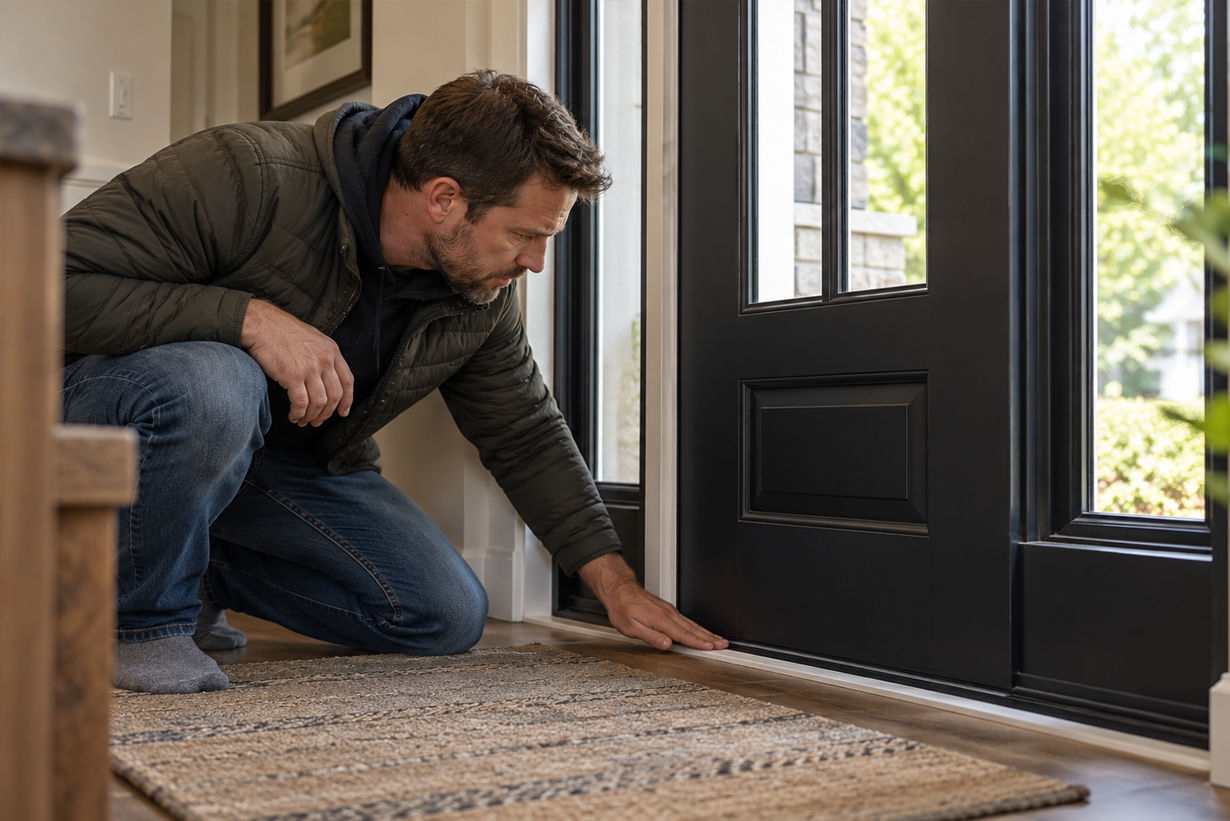
A noticeable draft is one of the most common reasons homeowners start thinking about front door replacement.
Before assuming the entire door needs to go, however, find out where the air is coming from. Worn weatherstripping, a poorly adjusted threshold, or a door that needs a minor adjustment may be repairable.
Natural Resources Canada recommends weatherstripping around older exterior doors to reduce air leakage. It also notes that weatherstripping around the threshold is particularly important because the bottom of a door can be a major source of drafts.
If new weatherstripping and proper adjustments cannot create a good seal, there may be a larger problem. The door may be warped, the frame may have shifted, or the complete system may no longer fit together properly.
That is when replacement starts making more sense.
2. The Door Is Getting Harder to Open or Close
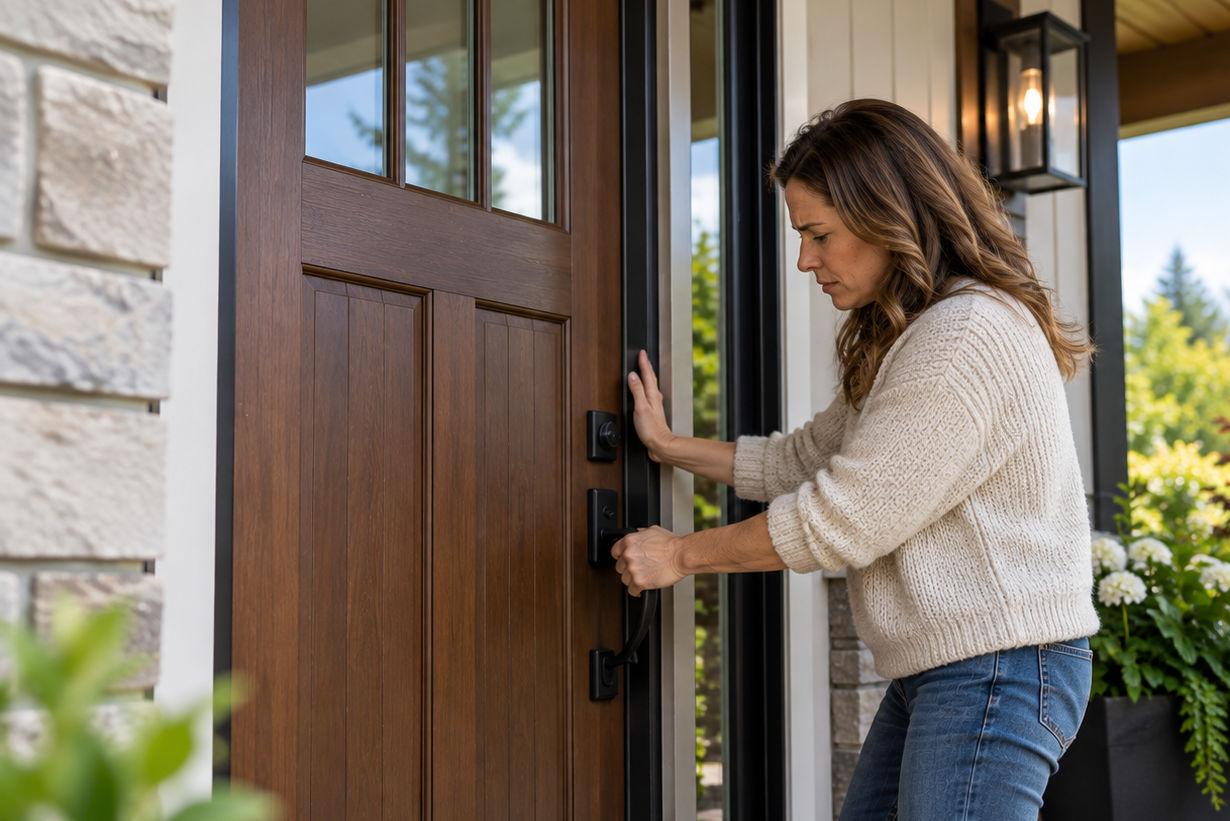
A front door should operate smoothly. You should not have to shoulder it open, lift it by the handle to get it to latch, or slam it several times before the lock catches.
Sometimes, the fix is relatively simple. Hinges can loosen. Hardware can wear out. Seasonal changes in temperature and humidity can also affect how a door fits.
Persistent problems deserve a closer look.
If the door is badly warped, the frame is damaged, or previous adjustments no longer solve the problem, replacing one piece of hardware after another may only delay the inevitable.
Before deciding on an entry door replacement, have the complete opening inspected. The problem may be the door, but it could also involve the frame, sill, installation, or surrounding structure.
3. You See Moisture, Rot, Rust, or Other Damage
Some damage is cosmetic. Some is telling you that the door is no longer doing its job.
Pay attention to soft or rotting wood, swelling, cracks, rust, peeling or bubbling finishes, damaged frames, and signs that water has been getting where it should not.
Moisture is especially important because the damage you see may not be the whole story. Natural Resources Canada warns that poorly installed windows and doors can allow water into a home and that resulting damage may remain hidden until it becomes expensive to repair.
If damage is limited to the finish or one replaceable component, repair may be perfectly reasonable. If moisture has affected the door, frame, or surrounding materials, a front door replacement may be the better long-term solution.
The goal is not simply to install a nicer-looking door. It is to determine why the damage occurred so the same problem does not happen again.
4. The Door No Longer Feels Secure
Your front door is part of your home’s security system, so movement and alignment matter.
A door that does not latch consistently, has damaged hardware, feels loose in its frame, or has significant deterioration around the lock should be inspected.
The first question is whether the problem can be corrected with new hardware or an adjustment. A good-quality door does not necessarily need to be replaced because a lock has worn out.
The situation changes when the structure of the door or frame has been compromised.
For example, repeatedly replacing locks will not solve a badly damaged frame. Similarly, adjusting the strike plate over and over may not be enough if the door has warped significantly.
If several parts of the system are failing together, a front door replacement gives you the opportunity to address the door, frame, hardware, fit, and installation as one complete system.
5. Your Door Is Hurting Your Home’s Energy Efficiency
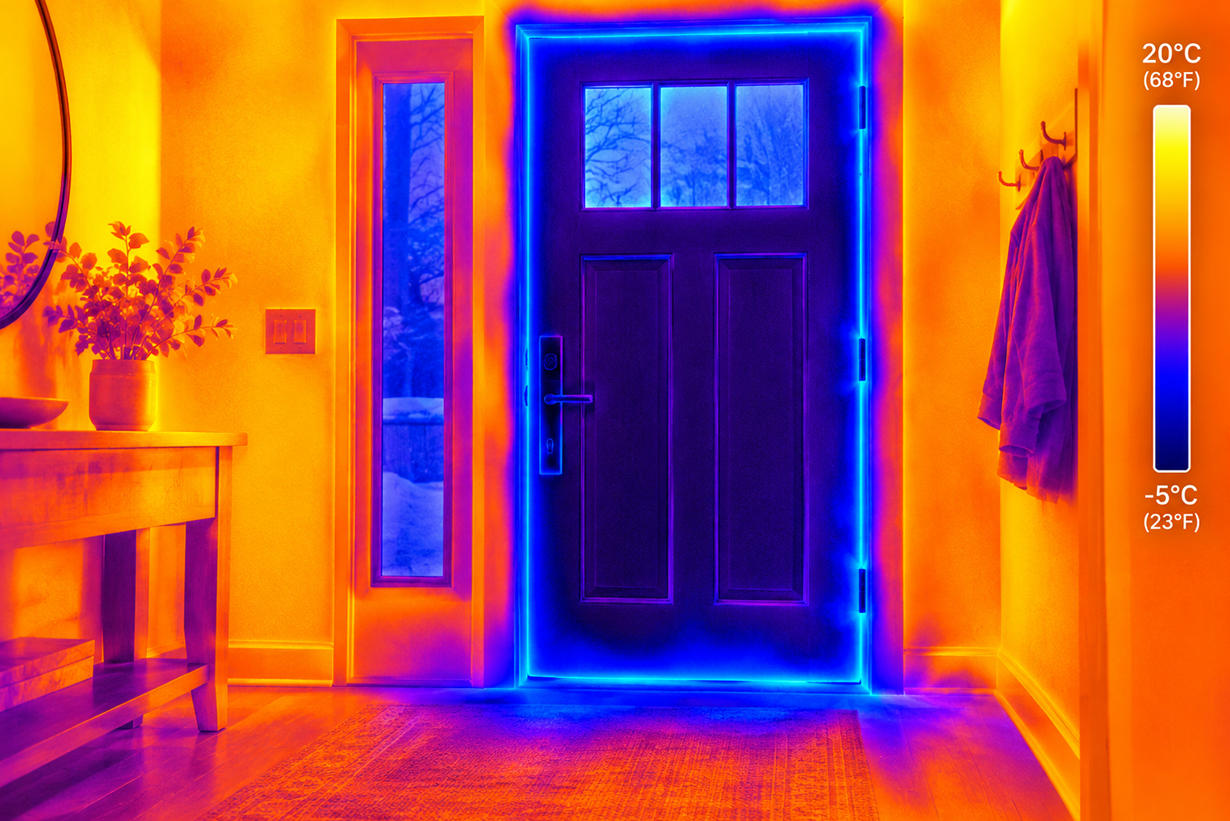
An older exterior door can contribute to unwanted heat transfer and air leakage.
Natural Resources Canada reports that windows, doors, and skylights can be responsible for a significant amount of a home’s heat loss. It also reports that ENERGY STAR certified doors are about 15% more energy efficient than average doors.
That does not mean replacing your front door will automatically produce a dramatic change in your energy bill. Your home works as a complete system, and windows, insulation, air sealing, heating equipment, and other factors all affect energy use.
However, an exterior door that is poorly insulated, difficult to seal, or letting noticeable drafts into your home may be worth upgrading.
If energy performance is one of the reasons you are considering front door replacement, compare the performance of the complete door system rather than choosing based only on appearance.
Natural Resources Canada explains that Canadian windows and doors can be evaluated using measurements such as U-factor and Energy Rating. These give you more useful information than a vague claim that one door is simply “energy efficient.”
6. Repairs Are Becoming a Regular Event
One repair does not mean you need a new door.
Repeated repairs are a different story.
Maybe the door has already been adjusted several times. The weatherstripping has been replaced, but drafts keep returning. The hardware is wearing unevenly because the door no longer sits properly in the frame. You fix one issue, and another appears a few months later.
At some point, it makes sense to compare the cost and inconvenience of continued repairs with the cost of replacement exterior doors.
There is no universal number of repairs that means you should replace a door. The better question is whether those repairs are actually solving the underlying problem.
If they are, keep the door.
If they are becoming temporary fixes for a system that continues to deteriorate, a front door replacement may provide better long-term value.
7. The Door No Longer Suits Your Home
Not every exterior door replacement starts with a failure.
Sometimes the existing door works, but you simply do not like it anymore.
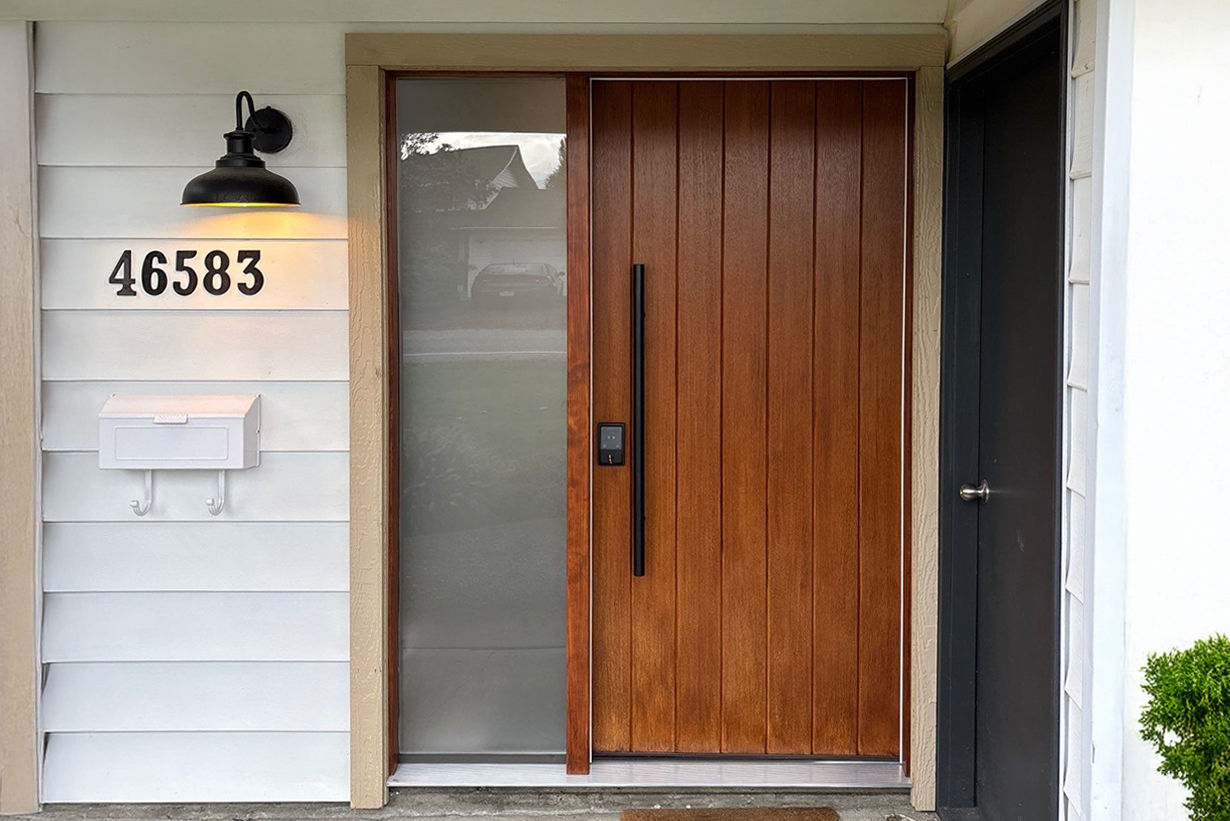
Your front door is one of the first things people see when they approach your home. An outdated style, damaged finish, faded colour, or design left over from a previous renovation can make the entrance feel disconnected from the rest of the house.
You may also want different glass, more natural light, greater privacy, a different colour, or a door that better complements newer windows and exterior finishes.
Those are legitimate reasons to consider front door replacement.
The important part is recognizing the difference between a necessary replacement and an optional upgrade. If your existing door still works properly, you have more flexibility about when to replace it and how much you want to invest.
Should You Repair or Replace Your Front Door?
This is where things get a little less black and white.
A worn sweep, damaged weatherstripping, loose hinge, or faulty lock usually does not justify replacing an otherwise good door. Those are often service or maintenance issues.
Replacement becomes more reasonable when there is significant deterioration, persistent air or water leakage, structural damage, severe warping, recurring operational problems, or several issues happening at the same time.
It also matters how old the door is and what you want from it. Spending money to repeatedly repair an older door that still performs poorly may not make sense. On the other hand, replacing a good-quality door because of one repairable problem may be unnecessary.
This is why we recommend having the entire opening assessed before deciding.
What Should You Look for in a Replacement Exterior Door?
If you decide replacement is the right option, do not choose a new door based on the slab alone.
The door, frame, threshold, weatherstripping, glass, hardware, and installation all contribute to the finished result.
Energy performance is also worth comparing. ENERGY STAR certified products in Canada are independently tested and certified to meet specific efficiency requirements. Natural Resources Canada also recommends professional installation to help windows and doors perform as intended.
Most importantly, ask questions about what is actually included in your quote.
What type of door are you getting? What kind of frame and threshold are included? What hardware will be used? How will the opening be prepared and sealed? What happens if damage is discovered after the existing door is removed? What warranty applies to the product and the installation?
A good exterior door replacement should solve the problems you have now without creating new ones later.

Considering Door Replacement in Chilliwack?
If your front door is drafty, damaged, difficult to operate, or simply ready for an upgrade, you do not have to diagnose the problem yourself.
At Unger Window & Door, we would rather help you understand what is happening first. If a repair makes sense, that is useful to know. If front door replacement is the better option, we can explain why and walk you through the products and installation choices that make sense for your home.
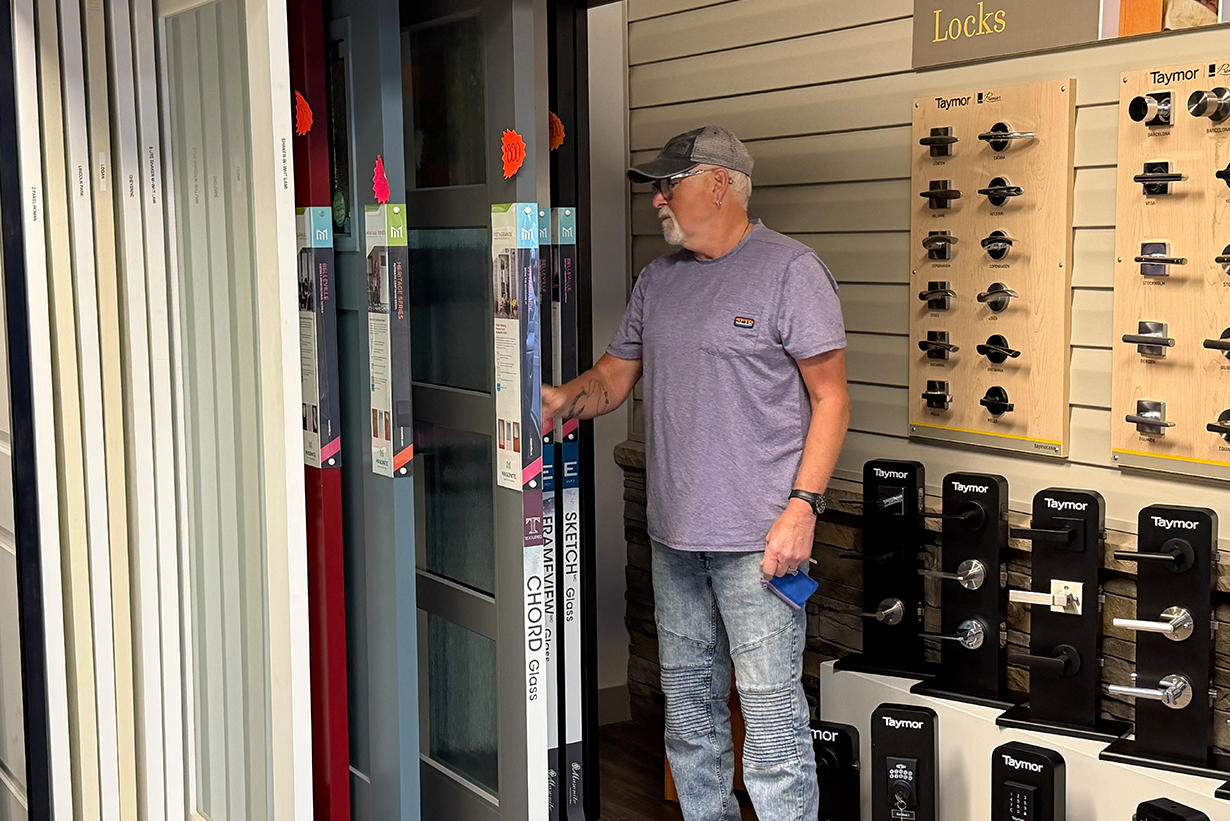
Our Chilliwack showroom also gives you the opportunity to see and handle different products before making a decision. A new front door is a significant purchase. You should know what you are getting before it arrives at your house.
Not sure whether your front door needs a repair or a complete replacement? Talk to the Unger Window & Door team about what you’re seeing, and we’ll help you figure out the right next step.